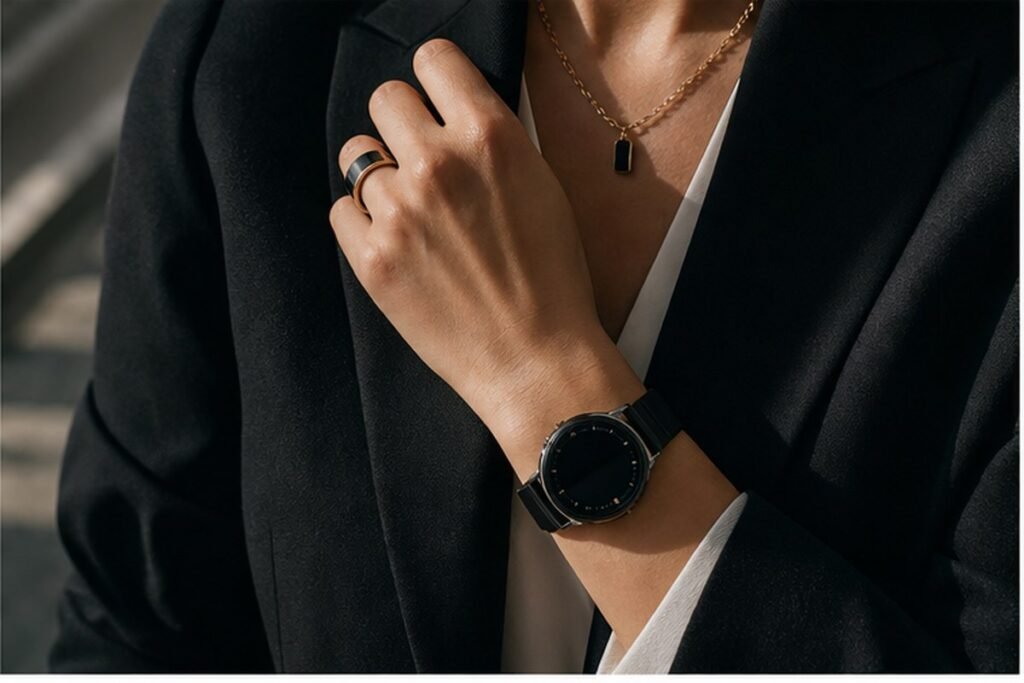
Smart rings, watches, adaptive clothing and connected accessories are becoming part of how outfits communicate.
Useful fashion advice starts with the clothes, climate, body and life you already have. Wearables sit at the intersection of utility and identity. A device may track activity, provide access, support communication or adapt to a body, but it also occupies visible space and participates in personal style. This Findreminds guide turns that idea into a sequence you can test, measure and adapt without chasing perfection.
At a glance
The simplest approach is to begin with one high-impact change, use it in a real situation, and review the result before adding more. The steps below are ordered to make wearable technology fashion practical for beginners while leaving enough flexibility for experienced readers.
Why wearable technology fashion matters
Wearables sit at the intersection of utility and identity. A device may track activity, provide access, support communication or adapt to a body, but it also occupies visible space and participates in personal style. Good systems also reduce decision fatigue: the correct next action is visible, the tools are close at hand and progress can be judged by a real outcome rather than appearance.
A practical step-by-step method
1. Function now shapes silhouette
Watch cases, ring profiles, sensor placement and charging requirements influence how a wearable sits beside sleeves, jewelry and movement. Make the change small enough to test in one normal day. A simple before-and-after note is more useful than a perfect system that exists only on paper.
2. Customization creates continuity
Bands, faces, cases and modular details let one device move between work, exercise and formal settings. The practical test is whether this still works when time, energy or attention is limited. If it requires repeated negotiation, reduce the number of decisions.
3. Data can become a design material
Light, color or haptic patterns can communicate status and information, although subtle feedback is often easier to live with. Keep the result observable. Write down what improved, what became harder and what you would change before repeating the step next week.
4. Accessibility expands the definition
Hearing devices, adaptive closures and sensory-friendly garments show that practical support and expressive design can reinforce each other. This is also a good place to remove unnecessary tools. Use the settings, materials and routines already available before buying another product or subscription.
5. Privacy is part of the product
A beautiful wearable still needs clear data controls, understandable permissions and a useful mode when connectivity is unavailable. Expect the first version to be incomplete. A useful routine becomes personal through feedback, not through copying someone else’s ideal setup.
6. Longevity affects style value
Replaceable bands, batteries, repair options and continued software support determine whether a device can become a lasting personal object. If the step affects another person, explain the reason and agree on a simple boundary. Shared expectations are easier to maintain than silent assumptions.
7. Technology should respect the outfit
A wearable succeeds when it fits the user’s materials, proportions and social context rather than demanding attention at all times. Use a clear stopping rule. Once the intended outcome is achieved, move on instead of turning a helpful adjustment into another project.
8. Personal rules prevent overload
Choose which signals deserve a wrist tap or visible light so the accessory supports presence instead of creating another notification surface. Review the effect after several repetitions, because one unusually easy or difficult day can give misleading feedback.
Common mistakes to avoid
- Buying for features that require an unused subscription. Pause and return to the outcome you actually want; a smaller, safer adjustment is usually easier to sustain.
- Ignoring device size and sensory comfort. Pause and return to the outcome you actually want; a smaller, safer adjustment is usually easier to sustain.
- Assuming health metrics are medical diagnoses. Pause and return to the outcome you actually want; a smaller, safer adjustment is usually easier to sustain.
- Treating short software support as a minor detail. Pause and return to the outcome you actually want; a smaller, safer adjustment is usually easier to sustain.
A realistic seven-day plan
List the two functions you truly need, test comfort for a full day where possible and compare repair, privacy and support policies before choosing a device. Keep the experiment narrow. At the end of the week, answer three questions: What became easier? What still created friction? What is the one change worth carrying forward?
Quick checklist
- Function now shapes silhouette
- Customization creates continuity
- Data can become a design material
- Accessibility expands the definition
- Privacy is part of the product
- Longevity affects style value
- Technology should respect the outfit
- Write one result you will review after seven days
Frequently asked questions
Can a smartwatch work with formal clothing?
Yes. A quieter face, proportionate case and suitable band can reduce visual conflict, though traditional jewelry may still suit some events better.
Are smart rings less distracting?
They can be visually subtle and screen-free, but comfort, sizing, data needs and charging still deserve evaluation.
What matters more: features or support life?
A smaller feature set with reliable updates and repair options may deliver more value than novelty that becomes obsolete quickly.
Final takeaway
Wearable technology fashion becomes useful when it supports a clear outcome and remains simple enough to repeat. Begin with the first relevant step, observe what happens and adapt the method to your own schedule, resources and responsibilities. Findreminds will continue to translate useful ideas across Fashion, work and everyday life into practical guides you can use.