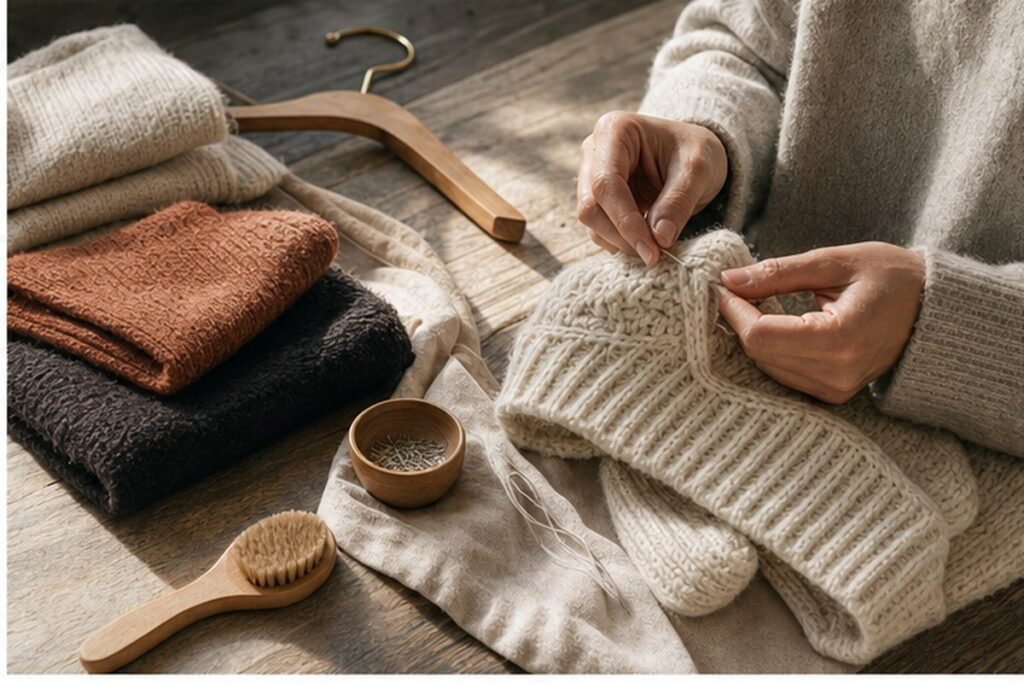
Wash less aggressively, repair early and store thoughtfully to protect fit, color and fabric.
Useful fashion advice starts with the clothes, climate, body and life you already have. Many clothes leave wardrobes because care has changed their shape, finish or comfort. Small habits before, during and after washing can extend useful life without turning laundry into a technical project. This Findreminds guide turns that idea into a sequence you can test, measure and adapt without chasing perfection.
At a glance
The simplest approach is to begin with one high-impact change, use it in a real situation, and review the result before adding more. The steps below are ordered to make clothing care habits practical for beginners while leaving enough flexibility for experienced readers.
Why clothing care habits matters
Many clothes leave wardrobes because care has changed their shape, finish or comfort. Small habits before, during and after washing can extend useful life without turning laundry into a technical project. Good systems also reduce decision fatigue: the correct next action is visible, the tools are close at hand and progress can be judged by a real outcome rather than appearance.
A practical step-by-step method
1. Read the care label once
Note fiber content, temperature limits and drying guidance, especially for wool, silk, coated fabrics and structured garments. Make the change small enough to test in one normal day. A simple before-and-after note is more useful than a perfect system that exists only on paper.
2. Air and spot-clean first
When hygienically appropriate, air a lightly worn item and treat a small mark instead of automatically running a full wash. The practical test is whether this still works when time, energy or attention is limited. If it requires repeated negotiation, reduce the number of decisions.
3. Sort by more than color
Separate abrasive hardware, lint-producing towels and delicate surfaces, using laundry bags when friction is a concern. Keep the result observable. Write down what improved, what became harder and what you would change before repeating the step next week.
4. Use measured detergent
Follow product and machine guidance because excess detergent can leave residue and does not guarantee cleaner fabric. This is also a good place to remove unnecessary tools. Use the settings, materials and routines already available before buying another product or subscription.
5. Choose gentler heat
Cooler washing and air drying often protect color, elasticity and shape, provided the care label and hygiene needs allow it. Expect the first version to be incomplete. A useful routine becomes personal through feedback, not through copying someone else’s ideal setup.
6. Reshape while damp
Smooth seams, align collars and dry knits flat when appropriate so the garment returns to its intended form. If the step affects another person, explain the reason and agree on a simple boundary. Shared expectations are easier to maintain than silent assumptions.
7. Repair at the first signal
Secure a loose button, small seam or tiny hole before normal wear turns it into a larger failure. Use a clear stopping rule. Once the intended outcome is achieved, move on instead of turning a helpful adjustment into another project.
8. Store for the material
Fold heavy knits, use supportive hangers for structured pieces and keep clothes clean and dry before seasonal storage. Review the effect after several repetitions, because one unusually easy or difficult day can give misleading feedback.
Common mistakes to avoid
- Using high heat by default. Pause and return to the outcome you actually want; a smaller, safer adjustment is usually easier to sustain.
- Rubbing stains aggressively. Pause and return to the outcome you actually want; a smaller, safer adjustment is usually easier to sustain.
- Hanging heavy wet knits. Pause and return to the outcome you actually want; a smaller, safer adjustment is usually easier to sustain.
- Storing clothing in damp or unventilated spaces. Pause and return to the outcome you actually want; a smaller, safer adjustment is usually easier to sustain.
A realistic seven-day plan
Choose five frequently worn pieces, check their labels, create a small repair kit and change one heat or drying habit this week. Keep the experiment narrow. At the end of the week, answer three questions: What became easier? What still created friction? What is the one change worth carrying forward?
Quick checklist
- Read the care label once
- Air and spot-clean first
- Sort by more than color
- Use measured detergent
- Choose gentler heat
- Reshape while damp
- Repair at the first signal
- Write one result you will review after seven days
Frequently asked questions
Should every garment be washed after one wear?
No. Hygiene, activity, climate, fabric and where the item was worn all matter. Underlayers usually need more frequent washing than outer layers.
Is hand washing always gentler?
Not automatically. Twisting, hot water or unsuitable detergent can still cause damage; follow the care label.
How should small stains be treated?
Act promptly, blot rather than spread and test any product on a hidden area, because methods vary by stain and fiber.
Final takeaway
Clothing care habits becomes useful when it supports a clear outcome and remains simple enough to repeat. Begin with the first relevant step, observe what happens and adapt the method to your own schedule, resources and responsibilities. Findreminds will continue to translate useful ideas across Fashion, work and everyday life into practical guides you can use.