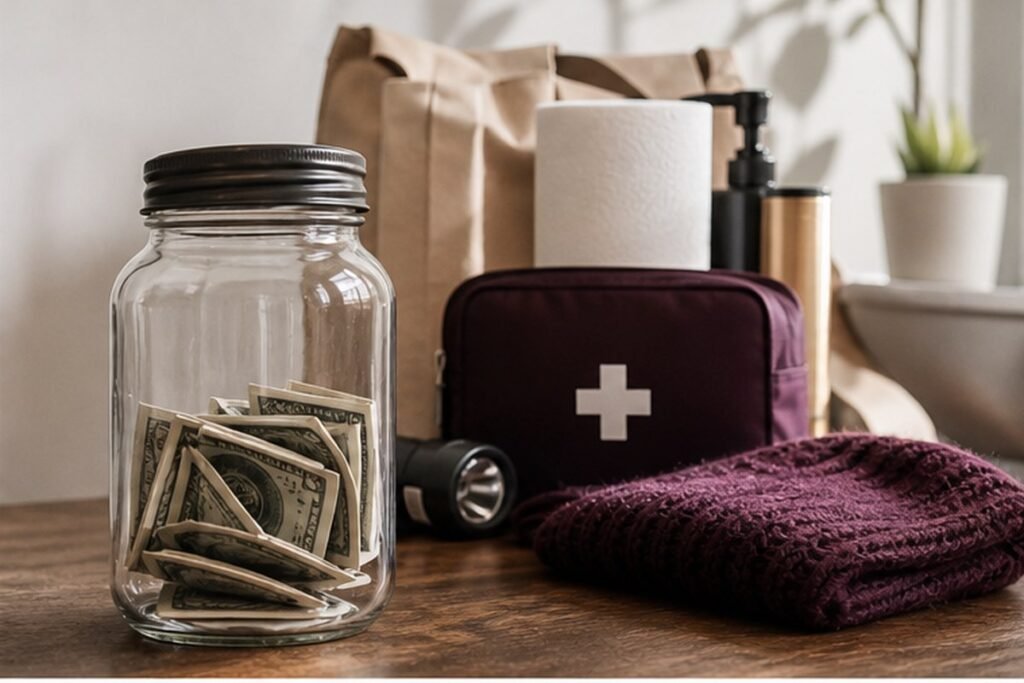
Start with a reachable cash target, automate small transfers and protect the fund from everyday spending.
Personal finance works better as a calm operating system than as a series of dramatic restrictions. An emergency fund creates options when income drops or an essential expense arrives. The first useful milestone is not an intimidating multi-month total; it is enough accessible cash to absorb the next likely disruption without expensive borrowing. This Findreminds guide turns that idea into a sequence you can test, measure and adapt without chasing perfection.
At a glance
The simplest approach is to begin with one high-impact change, use it in a real situation, and review the result before adding more. The steps below are ordered to make build an emergency fund practical for beginners while leaving enough flexibility for experienced readers.
Why build an emergency fund matters
An emergency fund creates options when income drops or an essential expense arrives. The first useful milestone is not an intimidating multi-month total; it is enough accessible cash to absorb the next likely disruption without expensive borrowing. Good systems also reduce decision fatigue: the correct next action is visible, the tools are close at hand and progress can be judged by a real outcome rather than appearance.
A practical step-by-step method
1. Define what counts as an emergency
Write a short rule covering urgent, necessary and unplanned costs such as essential repairs, medical needs or an income gap. Make the change small enough to test in one normal day. A simple before-and-after note is more useful than a perfect system that exists only on paper.
2. Pick a first milestone
Choose an amount connected to a likely expense—one utility cycle, a basic repair or a week of essential costs—before aiming for several months. The practical test is whether this still works when time, energy or attention is limited. If it requires repeated negotiation, reduce the number of decisions.
3. Open a separate savings place
Use an accessible, low-risk account without routine spending cards or investment volatility, while checking fees and deposit protection in your country. Keep the result observable. Write down what improved, what became harder and what you would change before repeating the step next week.
4. Automate a small transfer
Schedule an amount that can continue through an average month; consistency matters more than an ambitious transfer that is repeatedly cancelled. This is also a good place to remove unnecessary tools. Use the settings, materials and routines already available before buying another product or subscription.
5. Capture windfalls with a rule
Pre-decide a percentage of bonuses, gifts, refunds or extra income that goes to the fund before the rest is spent. Expect the first version to be incomplete. A useful routine becomes personal through feedback, not through copying someone else’s ideal setup.
6. Use temporary savings sprints
Pause one optional expense for four weeks and direct the exact amount saved to the emergency account. If the step affects another person, explain the reason and agree on a simple boundary. Shared expectations are easier to maintain than silent assumptions.
7. Refill after using it
Treat a genuine withdrawal as the fund doing its job, then temporarily move rebuilding ahead of lower-priority goals. Use a clear stopping rule. Once the intended outcome is achieved, move on instead of turning a helpful adjustment into another project.
8. Grow toward a personal target
Consider job stability, dependents, insurance, health needs and essential monthly costs when deciding whether several months of coverage is appropriate. Review the effect after several repetitions, because one unusually easy or difficult day can give misleading feedback.
Common mistakes to avoid
- Investing emergency cash in volatile assets. Pause and return to the outcome you actually want; a smaller, safer adjustment is usually easier to sustain.
- Keeping it in the everyday spending balance. Pause and return to the outcome you actually want; a smaller, safer adjustment is usually easier to sustain.
- Waiting for a large amount before starting. Pause and return to the outcome you actually want; a smaller, safer adjustment is usually easier to sustain.
- Feeling guilty after using it for a true emergency. Pause and return to the outcome you actually want; a smaller, safer adjustment is usually easier to sustain.
A realistic seven-day plan
Choose the account and first milestone today, schedule the smallest sustainable transfer, and review progress on payday rather than checking it daily. Keep the experiment narrow. At the end of the week, answer three questions: What became easier? What still created friction? What is the one change worth carrying forward?
Quick checklist
- Define what counts as an emergency
- Pick a first milestone
- Open a separate savings place
- Automate a small transfer
- Capture windfalls with a rule
- Use temporary savings sprints
- Refill after using it
- Write one result you will review after seven days
Frequently asked questions
How much should an emergency fund contain?
There is no universal number. Start with a small shock absorber, then build toward an amount shaped by essential expenses and income risk.
Should I save while paying debt?
Many people benefit from a small cash cushion while meeting required payments, then adjust the balance based on interest costs and risk.
Can a credit card be my emergency fund?
Credit can help with timing, but it creates repayment and interest risk. Cash savings provide more control.
Final takeaway
Build an emergency fund becomes useful when it supports a clear outcome and remains simple enough to repeat. Begin with the first relevant step, observe what happens and adapt the method to your own schedule, resources and responsibilities. Findreminds will continue to translate useful ideas across Finance, work and everyday life into practical guides you can use.